
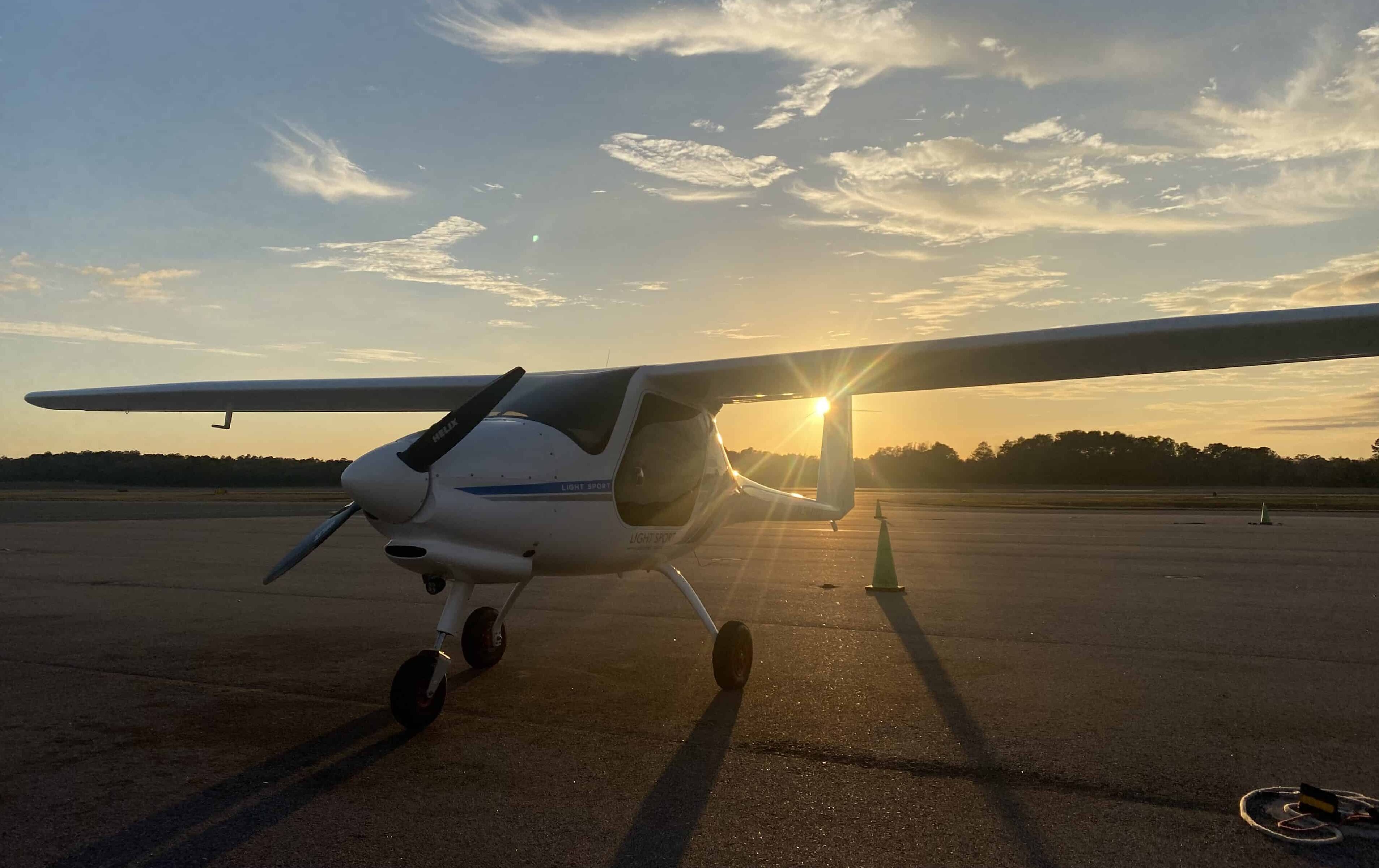
“I realized in the last five years that the current system on which we work is bound to fail.”
David Cattin has never been one to hesitate. A passionate aviator with an entrepreneurial mindset, Cattin is forward thinking and sharp – traits that have served him well in his path to founding one of the most popular flight schools in Sarasota, Florida.
Cirrus Aviation, under Cattin’s leadership, has established itself as a premier flight school dedicated to quality, service and student support. Over more than 30 years in business, the school has grown to include 13 airplanes, two simulators, and a dedicated staff of nearly 70 professionals, serving between 170 to 200 full-time students. With Cattin at the helm, what’s certain for Cirrus Aviation is the constant assessment of what’s working, what’s not working and what’s next.
Embracing modern technology
Since its inception, Cirrus Aviation has been at the forefront of adopting new technology to enhance the training experience.
Cattin recalls, “I flew the first GPS approach in Sarasota back in 1996. We had the first rebuilt Cessnas, the first Garmin G1000 172’s, and we had the first Red Bird simulators. We were also one of the first ones with online scheduling. We’ve done a lot of firsts and always bet on what technology could bring to us.”
Recently, the integration of several Pipistrel Alpha Trainer aircraft is a continuation of this tradition. Cattin said the Alpha Trainer’s advanced avionics, precision flight controls, and modern design have been well-received by both instructors and students at Cirrus Aviation.
“The instructors’ favorite thing is the avionics,” he said. “And it’s new! It smells good, it looks good and that’s easy to sell to students.
“What really blew me away was the precision of the flight controls and the safety factor that it’s a very precise aircraft. The fact that a student can come in for landing and doesn’t have residual forces that he or she has to fight. With this aircraft, you put it wherever you want to put it.”
Cost-effective training solutions
One of the most significant advantages of the Pipistrel Alpha Trainer is its cost-effectiveness. Cattin highlights the Alpha Trainer’s significantly lower operational costs, which he translates to substantial savings for students, and therefore making flight training more accessible and affordable.
“The Alpha Trainer is a lower cost. It’s been 25 and 30% cheaper at the end than a traditional trainer. So, for a full training we’re looking at $15,000 to $20,000 of savings for students. That’s huge,” he explains.


(Pictures: Cirrus Aviation’s Alpha Trainer aircraft at various Florida locations.)
Cattin specifically points out how other trainers consume more fuel than the Alpha Trainer, and the rising costs associated with maintaining older aircraft. These factors led him to claim other aircraft on the market don’t provide a sustainable business model.
“For other trainers, our cost increase is almost ten percent each year in maintenance. Let’s take our 2005 aircraft, which is one of our most flown aircraft right now. Five years ago, it was $25 to $30 an hour. Now it’s $70 to $80 dollars an hour just in maintenance costs. And the fuel is $70 an hour.”
“The Alpha Trainer is cleaner, it’s nicer and it’s much cheaper to operate and to buy so we can have more of them. It’s a win-win at every level, without sacrificing our profit margin.”
– David Cattin, Cirrus Aviation Founder
The flight school community
Cattin said when it comes to flight schools, the community has to stick together.
“There’s no flight school owner manual that says this how you run a flight school. We all kind of make it up on the fly and throughout the years, the seminars, and the trade shows, we all know each other and a lot of us became friends and we just kind of help out,” Cattin said.
That’s how he initially got introduced to the Alpha Trainer. Cattin said a good friend of his told him about the aircraft and encouraged him to check it out. He said he trusted his friend’s opinion, and when he flew the aircraft and looked at the numbers, it made sense.
“I think right now the plane is no brainer. You operate it for 3 ½ times less than other trainers, but you do the same mission. The hourly cost is a quarter of it. It’s just a no brainer.”
– David Cattin, Cirrus Aviation Founder
“If people ask, why is it better, I just tell them it’s much cheaper to operate, it has modern equipment, it’s easier to maintain and the fact that our business model right now with other trainers is a business model that has no future as the costs are rising and rising,” he explains.
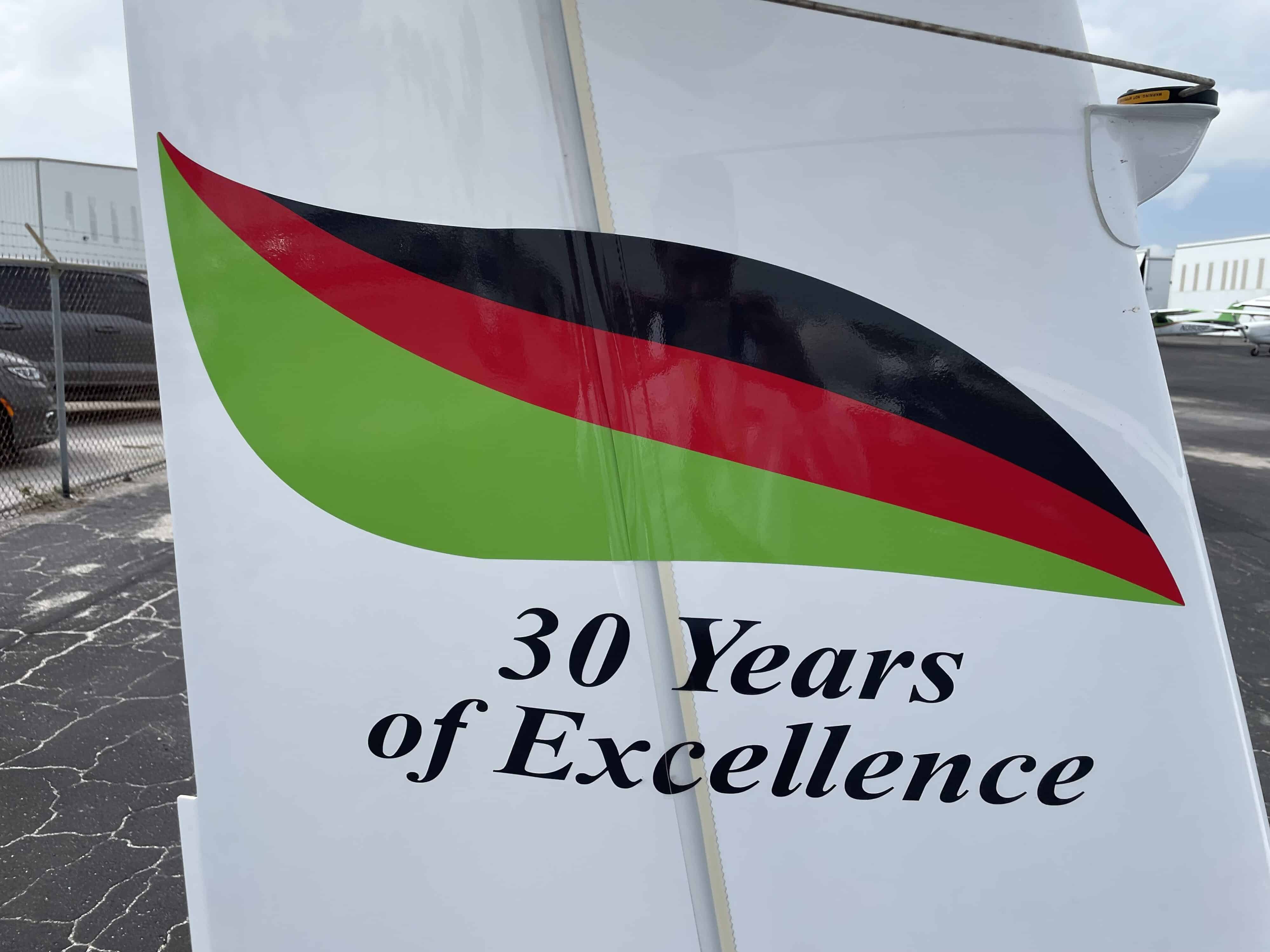
(Picture: Cirrus Aviation’s Alpha Trainer showcases the flight school’s impressive legacy.)
The future of Cirrus Aviation
David Cattin’s vision for Cirrus Aviation is clear: to continue providing a professional, caring and innovative environment where students of all kinds can thrive. The Pipistrel Alpha Trainer is a key component of this vision, offering a modern, cost-effective solution that meets the demands of the future.
While new tools and technology often come with hesitation from those who aren’t comfortable trying different things, it doesn’t stop Cattin. In fact, he has advice for those who want to stay stagnant on aircraft they’ve flown for decades.
“Stop being a pilot of one airplane. Be an aviator.”
For more information on the Alpha Trainer, click here.
Disclaimer: The testimonial presented reflects the personal experience and opinion of the individual and may not be representative of all users. Cost savings and performance outcomes may vary depending on operational context, aircraft configuration, and other factors. No compensation was provided for this testimonial.